BPC-157 and TB-500 capsules are frequently discussed in peptide research because they combine two well-known regenerative peptides into a single oral delivery format. While both BPC-157 and TB-500 have been studied separately in preclinical models, their encapsulated combination has generated interest among researchers exploring tissue repair, inflammation modulation, and systemic healing responses. Understanding the science behind each peptide, as well as the implications of oral encapsulation, is critical for interpreting experimental outcomes.
What Is BPC-157?
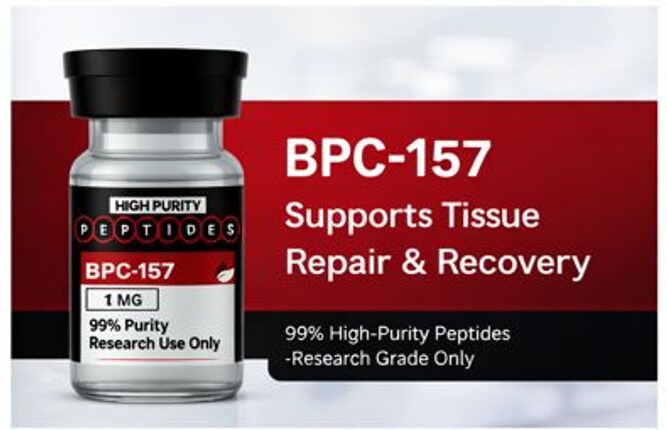
BPC-157 (Body Protection Compound-157) is a naturally derived peptide fragment originally isolated from gastric juices. In laboratory studies, it has demonstrated a wide range of biological activities related to tissue repair, angiogenesis (new blood vessel formation), and inflammation regulation. Researchers have examined its effects on muscle, tendon, ligament, and gastrointestinal tissue, making it a versatile compound in regenerative research.
One of the most notable characteristics of BPC-157 is its ability to influence multiple healing pathways simultaneously. It has been associated with increased fibroblast activity, improved collagen organization, and enhanced tissue remodeling in preclinical models. These properties have made it a subject of interest in studies related to soft tissue repair and injury recovery.
What Is TB-500?
TB-500 is a synthetic peptide that mimics the active region of thymosin beta-4, a naturally occurring protein involved in cellular migration, tissue regeneration, and inflammation control. In research settings, TB-500 has been studied for its role in wound healing, angiogenesis, and immune modulation. It appears to facilitate cellular movement to sites of injury, which is a key component of the healing process.
Additionally, TB-500 has been associated with improved muscle flexibility, reduced scar tissue formation, and enhanced tissue repair in experimental models. Its ability to interact with actin, a structural protein in cells, is believed to play a central role in these regenerative effects.
Why Combine BPC-157 and TB-500?
The rationale behind combining BPC-157 and TB-500 lies in their complementary mechanisms of action. BPC-157 primarily supports structural tissue repair and angiogenesis, while TB-500 facilitates cellular migration and reduces inflammation. Together, they may create a more comprehensive regenerative environment in experimental models.
In laboratory studies, this combination has been explored for potential synergistic effects on muscle, tendon, and ligament healing. Researchers hypothesize that BPC-157 may stabilize and strengthen damaged tissue, while TB-500 accelerates cellular repair processes and reduces inflammatory response.
Capsule Formulation and Bioavailability
One of the key variables when studying BPC-157 TB-500 capsules is oral bioavailability. Peptides are typically sensitive to degradation in the gastrointestinal tract due to stomach acid and digestive enzymes. Encapsulation is often used in research to investigate whether protective delivery systems can enhance peptide stability and absorption.
Different capsule technologies, such as enteric coatings or lipid-based carriers, have been explored to improve peptide survival through the digestive system. Researchers must carefully consider formulation variables when interpreting experimental results, as bioavailability can vary significantly depending on manufacturing methods.
Research Applications
- Soft tissue repair and regeneration studies
- Inflammation and immune response research
- Angiogenesis and blood vessel formation experiments
- Muscle, tendon, and ligament healing models
- Gastrointestinal tissue protection studies
In controlled laboratory environments, BPC-157/TB-500 capsules provide a useful model for studying systemic peptide effects compared to localized administration. This allows researchers to compare oral versus other delivery methods in terms of distribution, activity, and biological impact.
Quality Control and Purity
As with any peptide-based research compound, purity and quality are critical. Reputable suppliers should provide Certificates of Analysis (COA), batch testing, and documentation verifying peptide identity and concentration. Contaminants or degraded peptides can significantly alter experimental outcomes and lead to misleading conclusions.
Proper storage conditions are also essential. Capsules should be kept in a cool, dry environment to prevent degradation. Researchers should also verify that the encapsulation method used does not compromise peptide integrity over time.
Limitations and Considerations
While BPC-157 and TB-500 show promising regenerative properties in preclinical research, their effects in capsule form remain an area of active investigation. Variability in absorption, peptide stability, and individual experimental conditions can all influence results. Additionally, oral peptide delivery remains a challenge in many scientific applications.
Researchers must also consider that combining two bioactive peptides introduces additional complexity in experimental design. Careful control groups, standardized protocols, and rigorous data analysis are necessary to distinguish individual versus combined effects.
Conclusion
BPC-157 and TB-500 capsules represent an intriguing area of peptide research, bringing together two well-studied regenerative compounds in an oral delivery format. Their complementary mechanisms—tissue stabilization from BPC-157 and cellular migration support from TB-500—make them a valuable model for studying systemic healing processes.
However, formulation, bioavailability, and peptide purity remain critical factors that determine research outcomes. As scientific investigation into peptide encapsulation continues, BPC-157 TB-500 capsules may provide deeper insights into regenerative biology, tissue repair mechanisms, and peptide-based therapeutic strategies.