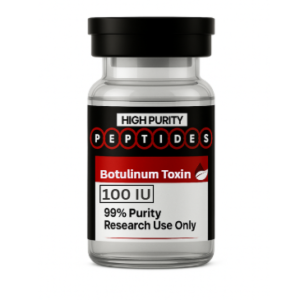
Botulinum Toxin research overview
Botulinum toxin is a potent protein neurotoxin and is not a conventional research peptide. Work involving it requires qualified facilities, stringent institutional controls, appropriate biosafety procedures, identity documentation, and compliance with all applicable rules.
Products in this category
How to evaluate Botulinum Toxin research materials
Begin with identity and traceability. The label, product listing, quantity, lot number, and supporting analytical record should refer to the same material. High-performance liquid chromatography may describe relative purity, while mass spectrometry can support molecular identity. Those tests do not automatically establish sterility, biological activity, or suitability for a particular experiment.
Before procurement, define the hypothesis, model, primary endpoint, controls, acceptance criteria, and documentation requirements. Preserve the listing, order record, shipping condition, receipt date, and batch files with the study record. If labels, seals, quantity, or documentation do not match, quarantine the material under the laboratory’s procedures until the discrepancy is resolved.
Related laboratory resources
Frequently asked questions
What should be checked before ordering Botulinum Toxin materials?
Confirm the exact identity, listed format, quantity, lot-specific documentation, research-only labeling, and fit with the institution’s approved protocol. A purity percentage is useful only when the method and corresponding batch are clear.
Does a Certificate of Analysis prove every quality attribute?
No. A certificate summarizes the tests reported for a sample. Researchers should examine the lot number, methods, results, and raw evidence where available, then arrange independent confirmation when the study risk warrants it.
Are these products intended for personal use?
No. This category and its products are provided strictly for lawful laboratory research and analytical use. They are not medical advice and are not intended for human or veterinary use, diagnosis, treatment, or disease prevention.