Peptides are short chains of amino acids that serve as powerful signaling molecules in the body. Beyond their role in healing and regeneration, certain peptides are increasingly studied for their potential to enhance fat metabolism, support lean muscle, and aid in weight management research.
While most peptides are still labeled strictly for research purposes, laboratory studies provide compelling insights into how these molecules may influence fat loss pathways and metabolic regulation.
This article provides a detailed, science-backed overview of the best peptides for fat loss, how they work at a molecular level, examples commonly studied in research, and key considerations for experimental use.
Recommended products
-

5AM 5-amino-1mq 5mg × 10 vials
$50.00 -

CD5 CJC‑1295 With DAC 5mg × 10 vials
$130.00 -
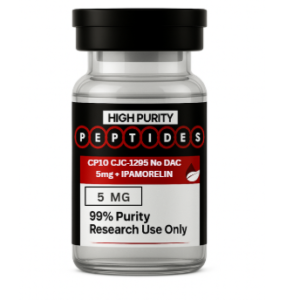
CP10 CJC‑1295 Without DAC 5mg + IPAMORELIN 5mg 10mg × 10 vials
$90.00 -
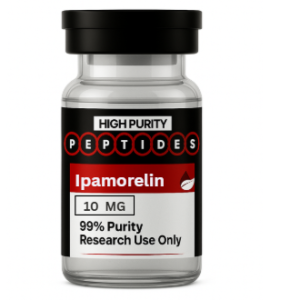
Ipamorelin 10mg × 10 vials
$70.00 -
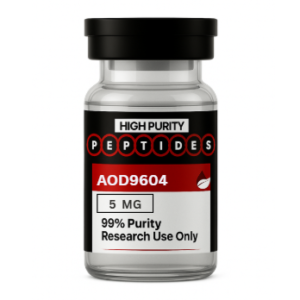
AOD9604 5mg × 10 vials
$90.00 -
Tesamorelin 10mg × 10 vials
$180.00 -
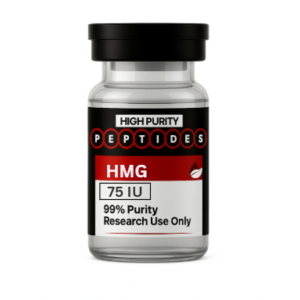
G75 HMG 75 IU × 10 vials
$120.00 -
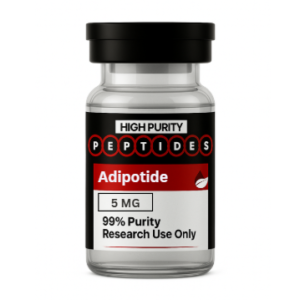
Adipotide 5mg × 10 Vials
$189.00



How Fat-Loss Peptides Work
Fat-loss peptides typically influence the body through one or more of the following mechanisms:
- Growth Hormone Stimulation – Peptides like CJC-1295 and Ipamorelin stimulate endogenous growth hormone (GH) release, which can promote fat breakdown (lipolysis) and increase lean muscle mass in laboratory models.
- Direct Lipolytic Action—Some peptides, such as AOD-9604, directly stimulate the breakdown of triglycerides in fat cells without affecting blood sugar levels.
- Metabolic Enhancement—By increasing cellular metabolism and energy expenditure, these peptides may contribute to a higher rate of fat oxidation in experimental settings.
- Appetite Modulation—Certain peptides may influence hunger-regulating hormones, indirectly supporting reduced caloric intake in controlled studies.
By targeting fat metabolism pathways and growth hormone signaling, these peptides have become a focus in obesity, metabolic disorder, and body composition research.
Top Peptides for Fat Loss (Research-Focused)
Here’s an overview of the most studied peptides for fat loss, including their mechanisms and research insights:
1. CJC-1295 (with or without DAC)
- Mechanism: Stimulates growth hormone release, which indirectly enhances lipolysis.
- Research Notes: Laboratory studies show that CJC-1295 can increase plasma GH and IGF-1 levels, supporting fat breakdown and lean tissue retention.
- Use in Research: Often combined with Ipamorelin to mimic natural GH pulsatility for controlled studies.
2. Ipamorelin
- Mechanism: Ghrelin-mimetic peptide that stimulates GH secretion without affecting cortisol or prolactin levels.
- Research Notes: Shows a favorable safety profile in preclinical studies and may synergize with other GH-releasing peptides to enhance fat metabolism.
3. AOD-9604 (Advanced Obesity Drug 9604)
- Mechanism: Modified fragment of human growth hormone (hGH) that targets fat cells directly to stimulate lipolysis.
- Research Notes: Studies suggest it promotes fat breakdown without impacting glucose metabolism, making it a unique tool for metabolic research.
4. Tesamorelin
- Mechanism: GH-releasing hormone analog used in research to reduce visceral adiposity.
- Research Notes: Clinical trials (for research purposes) indicate potential in reducing abdominal fat in controlled experimental settings, particularly in metabolic studies.
5. Melanotan II / PT-141 (Indirect Fat Modulation)
- Mechanism: While primarily studied for pigmentation and sexual function, some lab research suggests secondary effects on energy metabolism and fat oxidation.
- Research Notes: Limited evidence, mostly experimental, but included due to observed influence on metabolic pathways in animal models.
Benefits of Fat-Loss Peptides in Research Context
Scientific studies highlight several potential benefits of fat-loss peptides in laboratory settings:
- Enhanced Lipolysis: Accelerates breakdown of stored fat for energy.
- Lean Muscle Support: Promotes growth hormone release, which helps maintain muscle during fat reduction.
- Metabolic Regulation: Supports energy expenditure and may improve insulin sensitivity in experimental models.
- Reduced Fat Accumulation: Peptides like AOD-9604 specifically target triglyceride storage pathways.
It is essential to emphasize that these benefits are derived from controlled research and preclinical studies, and these peptides are not approved for human or veterinary use.
Key Considerations for Research Peptide Use
When selecting peptides for fat loss research, several factors are critical:
- Purity and Verification—Only purchase peptides with ≥99% purity and third-party Certificates of Analysis (COAs).
- Storage Conditions—Proper refrigeration and handling ensure stability and experimental consistency.
- Batch Consistency—For reproducible results, ensure all peptides come from verified suppliers with traceable manufacturing processes.
- Regulatory Compliance—Peptides for research use must be labeled “for laboratory use only” and not marketed for human consumption.
Where to Source High-Quality Fat-Loss Peptides
Reliable sourcing ensures reproducibility in research. Trusted suppliers provide:
- Verified purity and COAs
- Third-party lab testing
- Controlled manufacturing
- Global shipping to research institutions
Popular research peptides available through verified suppliers include CJC-1295, Ipamorelin, AOD-9604, and Tesamorelin, all designed for laboratory studies on fat metabolism and body composition.
Conclusion
Fat-loss peptides such as CJC-1295, Ipamorelin, AOD-9604, and Tesamorelin offer exciting avenues for research into fat metabolism, lean muscle retention, and energy regulation. While human applications are not approved, these peptides provide reproducible, high-purity tools for laboratory studies exploring metabolic pathways and weight regulation mechanisms.
For researchers focused on fat-loss mechanisms, sourcing verified peptides with detailed Certificates of Analysis is critical for accurate, reproducible results.