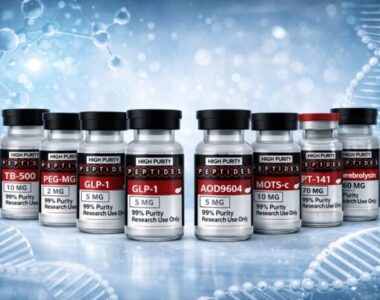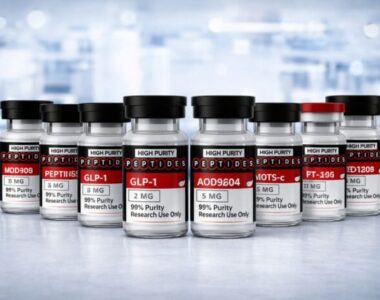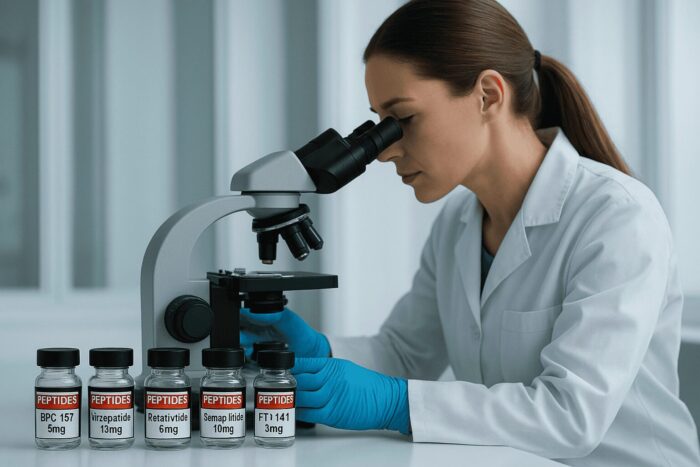
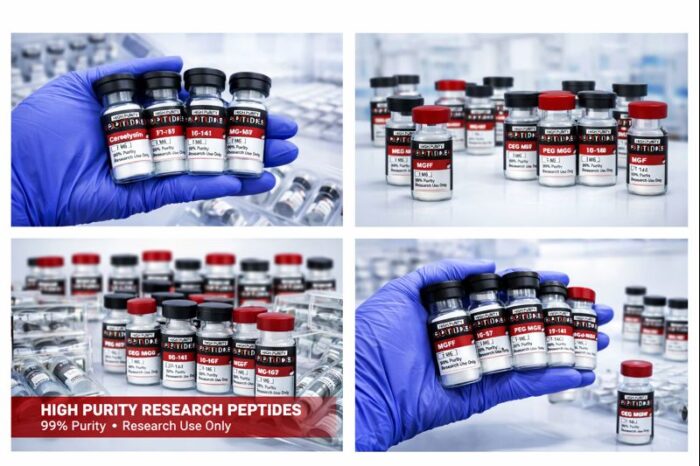
Peptide bioregulators are short chains of amino acids that support and regulate biological processes at the cellular level. These compounds are widely used in scientific research to study tissue repair, organ function, and intracellular signaling mechanisms. High-purity peptidePeptide High-Purity Reagents formulations are essential for achieving consistent experimental results and generating reliable laboratory data.
Often described as molecular messengers, bioregulator peptides help guide cells toward regeneration, repair, and the maintenance of physiological balance. Researchers utilize these compounds in controlled studies focused on organ-specific activity, cellular aging, and metabolic regulation.
What Are Bioregulator Peptides?
Bioregulator peptides are naturally occurring or synthetically produced amino acid sequences designed to influence gene expression, cellular regeneration, and tissue function. Due to their targeted nature, they allow researchers to examine specific biological responses in vitro and in preclinical research models.
Common Research Focus Areas
- Organ-specific peptide studies (brain, liver, heart, and more)
- Cellular repair and regeneration mechanisms
- Stem cell differentiation and growth modulation
- Longevity and metabolic pathway research
- Immune signaling and modulation studies
Peptide Purity and Research Quality Standards
Maintaining high purity levels is critical when working with research peptides. Quality standards help ensure reproducibility and data accuracy across experiments.
Key quality indicators include:
- Minimum purity of 98% or higher
- Batch-specific Certificates of Analysis (COA)
- Laboratory-grade packaging for stability
- Controlled storage and handling procedures
- Verified sourcing from reputable manufacturers
Research Applications of Bioregulator Peptides
Bioregulator peptides are applied across multiple research disciplines to explore both cellular and organ-level functions.
Key Scientific Uses
- Organ function research: Studying regenerative processes in the liver, brain, and cardiovascular system
- Tissue regeneration studies: Investigating wound healing and cellular repair pathways
- Anti-aging research: Examining gene expression related to longevity and cellular aging
- Stem cell research: Supporting controlled differentiation and proliferation experiments
- Immune response studies: Analyzing peptide influence on immune system signaling
Selecting High-Quality Research Peptides
Reliable experimental outcomes depend on sourcing peptides from trusted suppliers that meet strict laboratory standards. When selecting peptide bioregulators for research, ensure suppliers provide:
- Verified purity levels of ≥ 98%
- Certificates of Analysis for each batch
- Secure, lab-grade packaging
- Clear documentation and compliance standards
- Detailed storage and usage guidelines
Storage and Handling Guidelines
Correct storage and handling are essential to preserve peptide integrity and biological activity.
Best practices include:
- Store lyophilized peptides in a cool, dry environment
- Reconstitute peptides only when needed
- Avoid repeated freeze-thaw cycles
- Use sterile techniques to prevent contamination