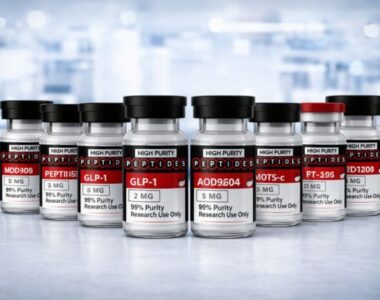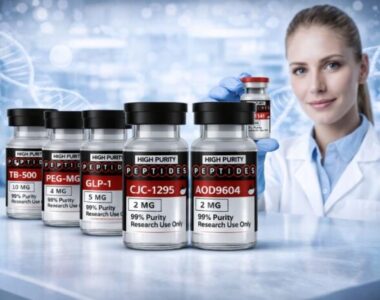
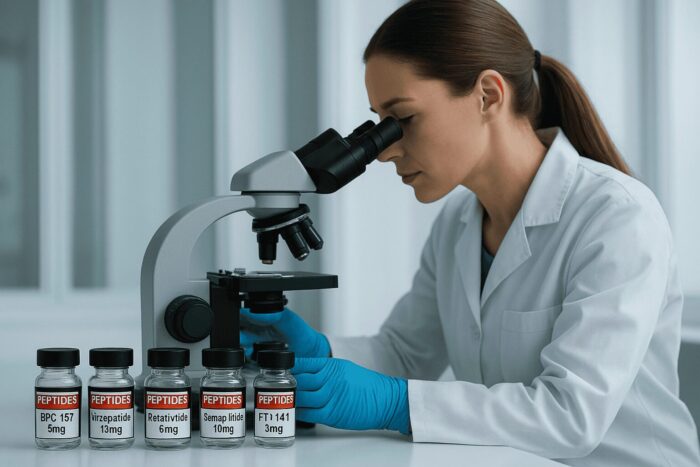
High Peptide Purity is a topic in laboratory and preclinical research. This overview describes the scientific context, how to assess the evidence, and which quality controls matter when U.S. laboratories evaluate research materials. It is educational content for qualified research settings—not dosing, treatment, or personal-use guidance. Investigators evaluating materials can review the research peptide catalog and the site’s laboratory quality standards while qualifying a study material.
Research context and terminology
Purity percentage alone does not establish identity or suitability. Investigators should examine the analytical method, batch number, chromatogram, expected mass, sample handling, and whether the documentation corresponds to the test article received.
High peptide purity is a critical factor in modern biochemical, pharmacological, and preclinical research. Using peptides with verified purity ensures consistent experimental outcomes, accurate biological responses, and reproducible data in laboratory studies.
High peptide purity refers to peptide compounds that meet stringent chemical and analytical standards, typically greater than 95–98% pure. These peptides are free from contaminants, degradation products, or unintended sequences, making them ideal for research applications that require precision and reliability.
Research Applications of High-Purity Peptides
High peptide purity is essential in a variety of research contexts:
Growth Hormone Studies: Investigating GHRH analogs , Sermorelin, or Tesamorelin for metabolic and endocrine research.
Metabolic and Body Composition Research: Studying peptides like PE-22-28 or AOD 9604 to explore fat metabolism, glucose regulation, and energy pathways.
Peptide Therapeutics Development: Testing synthetic multi-receptor agonists and peptide fragments in preclinical models.
Cellular Signaling Research: High-purity peptides allow precise study of receptor-ligand interactions, intracellular signaling, and enzymatic modulation.
Analytical Applications: Serve as standards for HPLC, mass spectrometry (MS), or nuclear magnetic resonance (NMR) validation.
Using high-purity peptides minimizes experimental variability and ensures that observed effects are due to the peptide itself rather than impurities or degradation products.
Importance of Certificates of Analysis (COA)
Selecting high-purity peptides requires careful verification of their COA. A proper COA provides:
Confirmation of amino acid sequence and chemical identity.
Purity levels are typically above 95–98%.
Batch-specific analytical testing results (HPLC, MS, or NMR).
Stability and solubility data to ensure accurate experimental use.
COA verification is a key step in maintaining reproducibility, minimizing research errors, and supporting regulatory compliance in laboratory studies.
High-purity peptides require proper storage and handling to preserve integrity:
Storage: Keep lyophilized peptides in a cool, dry, and light-protected environment. Most peptides require -20°C or lower for long-term storage.
Handling: Apply aseptic techniques and lab safety protocols to prevent contamination or degradation.
Adhering to these guidelines ensures peptide stability and reliable experimental results.
Researchers can obtain high-purity peptides from verified suppliers and distributors, including:
Peptide Sciences: Offers research-grade peptides with verified COAs and consistent quality.
Academic Suppliers: University-affiliated labs and trusted research distributors.
Specialized Peptide Companies: Provide peptides for metabolic, endocrine, or signaling research with batch-specific documentation and analytical validation.
Always verify suppliers and COAs before purchasing to ensure authenticity and research-grade quality.
High peptide purity is crucial for laboratory research that demands precision, reproducibility, and reliability. By using verified high-purity peptides, researchers can confidently study metabolic pathways, growth hormone regulation, cellular signaling, and peptide therapeutics. Proper sourcing, handling, and adherence to laboratory protocols are essential for maximizing the reliability of experimental outcomes.
How to evaluate research quality
A well-documented High Peptide Purity evaluation begins with identity. The listing, material name, salt or counter-ion where relevant, quantity, lot number, and analytical record should agree. High-performance liquid chromatography can describe relative purity, while mass spectrometry can support identity by comparing observed and expected mass. Neither result alone proves biological activity, sterility, or fitness for this project’s protocol.
U.S. laboratory procurement checks
Before a U.S. laboratory orders material for a High Peptide Purity project, purchasing and safety teams should confirm that the work is lawful, approved, and consistent with research-only terms. Preserve the supplier identity, lot and quantity, shipping condition, receipt date, product page, and analytical documents. A mismatch in labeling, seals, quantity, or paperwork is a reason to quarantine the shipment until the discrepancy is resolved.
Reproducibility notes
Reproducible High Peptide Purity work requires a documented chain of custody, calibrated equipment, validated assays, environmental records, and a log of protocol deviations. Findings are more useful when raw data and exclusion criteria are retained. This guide does not provide preparation, administration, or personal-use instructions.
Continue researching this topic
- High Purity Research Peptides related research overview
- High Purity Peptides for Sale comparison and evidence guide
- Peptide High Purity Reagents laboratory quality discussion
Frequently asked questions
What should a laboratory verify before studying High Peptide Purity?
For High Peptide Purity, confirm identity, lot-specific analytical documentation, labeling, chain of custody, and alignment with the predefined protocol. Required tests depend on the planned study; a stated purity percentage is only one part of qualification.
Is this article personal-use or medical guidance?
No. It does not recommend use, administration, or dosing. Products discussed by High Purity Peptides are intended only for lawful laboratory research and are not for human or veterinary use.
Key takeaway
A credible High Peptide Purity project starts with a precise question, appropriate controls, traceable material, and cautious interpretation. Use analytical records and primary literature, preserve batch documentation, and report limitations alongside results.
Research-use notice: This content is for educational and laboratory-research purposes only. It is not medical advice. Research materials referenced here are not intended for human or veterinary use, diagnosis, treatment, or prevention of disease.