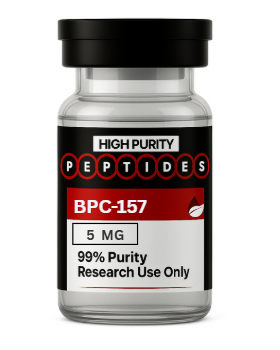
BPC 157 is a synthetic peptide widely studied in preclinical and laboratory research for its regenerative, healing, and protective properties. Its precise amino acid sequence allows researchers to investigate tissue repair mechanisms, angiogenesis, and cellular recovery in controlled experimental models.
Laboratories and research professionals often seek to buy BPC 157 for in vitro or in vivo studies. Ensuring high purity, proper handling, and verified sourcing is critical for reproducible results and experimental integrity.
What Is BPC 157?
BPC 157, also known as Body Protection Compound 157, is a short peptide derived from a naturally occurring protein in the gastric mucosa. In laboratory research, BPC 157 is primarily studied for its ability to support:
-
Tissue regeneration: Facilitates repair of muscle, tendon, ligament, and connective tissue
-
Angiogenesis: Promotes blood vessel formation in healing tissues
-
Neuroprotection: Investigated for protective effects on neural pathways
-
Gastrointestinal health: Supports studies on intestinal lining repair
Its stability and solubility make BPC 157 an ideal compound for modeling regenerative and reparative biological processes in controlled laboratory settings.
Research Applications of BPC 157
BPC 157 is widely utilized across multiple experimental areas. Key research applications include:
-
Gastrointestinal tract repair: Investigating effects on stomach and intestinal lining regeneration
-
Musculoskeletal healing: Studying tendon, ligament, and muscle repair mechanisms
-
Angiogenesis and tissue recovery: Exploring new blood vessel formation in damaged tissues
-
Neuroprotective studies: Evaluating peptide-mediated support for neural recovery
The peptide’s ability to model regenerative pathways makes it a valuable tool for researchers exploring healing, tissue resilience, and recovery mechanisms.
Handling and Storage Guidelines
Maintaining BPC 157’s stability is crucial for reliable research outcomes. Recommended laboratory best practices include:
-
Storage: Keep lyophilized peptide in a cool, dry environment to prevent degradation
-
Reconstitution: Follow lab-specific protocols and use sterile solvents
-
Protection: Avoid prolonged exposure to light, moisture, or temperature fluctuations
-
Handling: Use gloves, sterile tools, and adhere to institutional safety guidelines
-
Documentation: Track batch numbers, storage conditions, and experimental usage to ensure reproducibility
Proper handling ensures BPC 157 retains its bioactivity and provides consistent, reproducible results across experiments.
Buying BPC 157 for Research Use
When looking to buy BPC 157 online for laboratory studies, it is important to select a reputable, research-grade supplier. High-quality BPC 157 should meet the following criteria:
-
Purity ≥ 98% verified by analytical testing
-
Certificate of Analysis (COA) for each batch
-
Lab-grade, contamination-resistant packaging
-
Transparent batch information and storage instructions
-
Compliance with research-use-only standards
Purchasing from trusted suppliers minimizes the risk of degraded, impure, or mislabeled peptides, helping researchers maintain experimental integrity and reproducibility.
Conclusion & Disclaimer
BPC 157 is a highly researched peptide used in laboratory studies of tissue regeneration, angiogenesis, musculoskeletal repair, and neuroprotection. By sourcing COA-backed, high-purity peptide and following proper handling and storage protocols, researchers can achieve reliable, reproducible results in preclinical and laboratory studies.
Important: BPC 157 is strictly for research use only and is not intended for human or veterinary consumption. Always follow institutional safety guidelines when handling and experimenting with peptides.