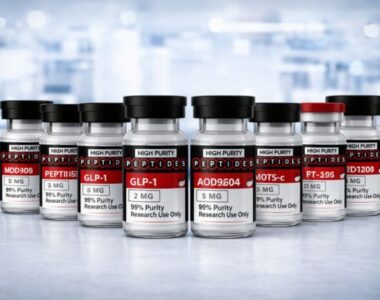
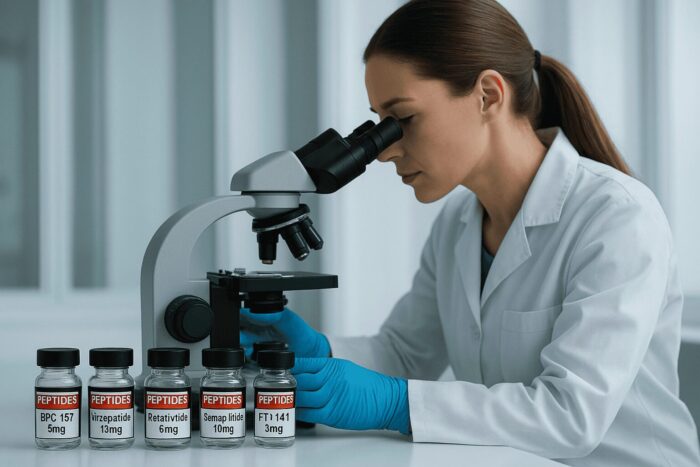
Peptide Vial Research is a topic in laboratory and preclinical research. This resource outlines the scientific context, how to assess the evidence, and which quality controls matter when U.S. laboratories evaluate research materials. It is educational content for qualified research settings—not dosing, treatment, or personal-use guidance. Study teams evaluating materials can review the research peptide catalog and the site’s laboratory quality standards before planning an experiment.
Research context and terminology
This subject should be evaluated by separating molecular mechanism, experimental model, measured endpoint, and evidence quality. That framework prevents preliminary findings from being presented as established conclusions.
Using peptide vials allows researchers to conduct reproducible and accurate studies across a variety of fields, including regenerative medicine, metabolic research , and hormonal signaling. Understanding proper handling, storage, and sourcing of peptide vials is critical to maintaining experimental integrity.
This research approach is commonly applied to:
Biochemical studies: Exploring enzyme interactions, receptor binding, and cellular signaling
Metabolic research: Studying peptides that regulate energy balance, insulin pathways, and metabolic enzymes
Hormonal research: Investigating peptides involved in endocrine regulation
Regenerative and tissue repair studies: Evaluating peptides that influence cellular regeneration and repair mechanisms
By using peptide vials, researchers can maintain experimental consistency , minimize contamination, and accurately compare results across batches.
Key Considerations for Peptide Vial Research
Proper handling and storage of peptide vials are essential for maintaining peptide integrity and experimental reliability. Investigators should adhere to the following guidelines:
Keep lyophilized peptide vials in a cool, dry environment
Avoid exposure to light, moisture, or temperature fluctuations
Use sterile equipment such as pipettes, gloves, and vials to prevent contamination
Avoid repeated freeze-thaw cycles that may degrade peptide activity
Always verify purity ≥ 98% through Certificates of Analysis (COA) or lab documentation
Confirm batch-specific traceability for consistent research outcomes
Source peptides from reputable, research-grade suppliers
Keep a detailed log of vial usage, including batch numbers and experiment dates
Record experimental observations to maintain reproducibility
Adhering to these standards ensures high-quality research results and minimizes the risk of compromised data due to degraded or contaminated peptides.
Sourcing Peptide Vials for Research
Reliable sourcing is critical when purchasing peptide vials for laboratory use. Investigators should select suppliers who specialize in research-grade peptides and provide clear documentation for each batch.
Key factors to consider when sourcing peptides include:
Verified high-purity peptides (≥ 98%)
Certificates of Analysis (COA) for each vial or batch
Transparent batch and production information
Purchasing peptides from trusted suppliers ensures experimental reproducibility , maintains peptide integrity, and minimizes the risk of degraded or impure products.
Buy Peptide Vials for Laboratory Research
For researchers looking to buy peptide vials , it is important to purchase only from reputable vendors who provide COA-backed, high-purity peptides intended strictly for laboratory use. Peptides purchased for research should never be used for human or veterinary consumption .
Relevant research materials
- Botulinum Toxin 100IU × 1 vial — review the listing for identity, format, and available batch documentation.
- BPC 157 10mg + TB 500 10mg | 20mg × 10 Vial — review the listing for identity, format, and available batch documentation.
- GP GLP-1 5mg/vial × 10 vials — review the listing for identity, format, and available batch documentation.
How to evaluate research quality
A strong Peptide Vial Research evaluation begins with identity. The listing, material name, salt or counter-ion where relevant, quantity, lot number, and analytical record should agree. High-performance liquid chromatography can describe relative purity, while mass spectrometry can support identity by comparing observed and expected mass. Neither result alone proves biological activity, sterility, or fitness for this project’s protocol.
Study design and evidence limits
For Peptide Vial Research experiments, define the hypothesis and primary endpoint before selecting a material. Document the model, controls, assay validation, acceptance criteria, and statistical plan. A pilot can justify a larger experiment, but it is not confirmation. In-vitro, animal, and controlled human research answer different questions, so results should not be transferred between evidence levels without justification.
Reproducibility notes
Reproducible Peptide Vial Research work requires a documented chain of custody, calibrated equipment, validated assays, environmental records, and a log of protocol deviations. Findings are more useful when raw data and exclusion criteria are retained. This guide does not provide preparation, administration, or personal-use instructions.
Continue researching this topic
- High-Purity BPC-157 Peptide Powder for Laboratory Research related research overview
- AHK-Cu Peptide comparison and evidence guide
- Are Peptides Legal in the USA? A Complete Guide for Researchers and Buyers laboratory quality discussion
Frequently asked questions
What should a laboratory verify before studying Peptide Vial Research?
For Peptide Vial Research, confirm identity, lot-specific analytical documentation, labeling, chain of custody, and alignment with the predefined protocol. Required tests depend on the protocol; a stated purity percentage is only one part of qualification.
Is this article personal-use or medical guidance?
No. It does not recommend use, administration, or dosing. Products discussed by High Purity Peptides are intended only for lawful laboratory research and are not for human or veterinary use.
Key takeaway
A credible Peptide Vial Research project starts with a precise question, appropriate controls, traceable material, and cautious interpretation. Use analytical records and primary literature, preserve batch documentation, and report limitations alongside results.
Research-use notice: This content is for educational and laboratory-research purposes only. It is not medical advice. Research materials referenced here are not intended for human or veterinary use, diagnosis, treatment, or prevention of disease.