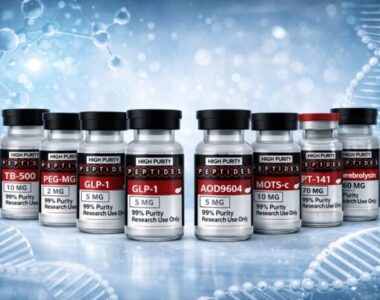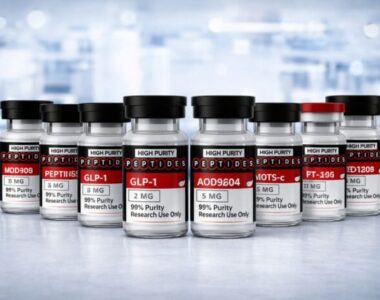
Bioregulator peptides are specialized peptides designed to regulate specific biological functions in research studies. They play a vital role in molecular biology, regenerative medicine, and age-related studies, providing precise control over cellular pathways and physiological responses.
This article will provide an overview of bioregulator peptide, their research applications, sourcing tips, and what to look for in a trusted supplier.
What Are Bioregulator Peptides?
Bioregulator peptides are short chains of amino acids that modulate specific cellular and physiological processes. Unlike general peptides, bioregulator peptides are often derived from or inspired by natural peptides found in the human body, allowing researchers to study their effects in controlled laboratory settings.
These peptides are used in various areas of research, including:
- Cellular regeneration and repair
- Immune system modulation
- Endocrine and hormonal research
- Anti-aging and longevity studies
- Neurological and cognitive research
Importance of Purity in Bioregulator Peptides
High purity is critical when working with bioregulator peptides. Impurities can disrupt experiments, produce inconsistent results, and interfere with cellular responses. For reliable outcomes, researchers should source peptides with:
- Purity levels of 98% or higher
- Certificate of Analysis (COA) for verification
- Professional packaging and proper labeling
- Verified stability and storage information
Research Applications of Bioregulator Peptides
Researchers use bioregulator peptides to explore targeted biological processes. Common applications include:
- Regenerative medicine: Stimulating tissue repair and cellular recovery.
- Immune modulation: Supporting studies on immune response regulation.
- Anti-aging research: Investigating peptides that influence cellular aging and longevity.
- Neurological studies: Studying peptides affecting cognition, memory, and neuroprotection.
- Hormonal signaling: Understanding peptide interactions with endocrine pathways.
Sourcing Bioregulator Peptides
When selecting a supplier, look for companies that provide:
- High-purity peptides with COA verification
- Secure packaging and reliable shipping
- Clear storage and handling instructions
- Transparent company information and customer support
- Reputation in research-grade peptide supply
Storage and Handling Tips
Proper storage of bioregulator peptides preserves their integrity. Recommended practices include:
- Store lyophilized peptides in a cool, dry environment
- Reconstitute only when ready to use and refrigerate afterward
- Avoid repeated freeze-thaw cycles
- Use gloves and sterile techniques to prevent contamination
Conclusion
Bioregulator peptides are vital tools for advanced biological research. By choosing high-purity peptides from trusted suppliers and following proper storage and handling guidelines, researchers can achieve accurate, reproducible results in studies ranging from regenerative medicine to neurological research.