Purity Peptides is a topic in laboratory and preclinical research. This guide explains the scientific context, how to assess the evidence, and which quality controls matter when U.S. laboratories evaluate research materials. It is educational content for qualified research settings—not dosing, treatment, or personal-use guidance. Study teams evaluating materials can review the research peptide catalog and the site’s laboratory quality standards before approving a study purchase.
Research context and terminology
Purity percentage alone does not establish identity or suitability. Researchers should examine the analytical method, batch number, chromatogram, expected mass, sample handling, and whether the documentation corresponds to the received sample received.
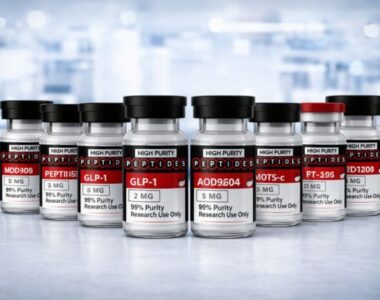
High-quality purity peptides are essential for modern research, whether in metabolic, neurological, or regenerative studies. Researchers seeking reliable and consistent results understand the importance of sourcing peptides with verified purity, proper handling, and professional packaging.
This guide will provide an overview of purity peptide , their significance in research, what to look for when sourcing them, and trusted suppliers to consider.
Purity peptides refer to peptides that have been synthesized and processed to meet high chemical purity standards, typically 98% or higher. In research, impurities can significantly affect the reliability of experimental outcomes. By using purity peptide, scientists can reduce variability and ensure consistent results across experiments.
These peptides are short chains of amino acids used as signaling molecules in various biological studies, including:
Muscle recovery and tissue regeneration
Longevity and cellular repair research
Why Purity Matters in Peptide Research
Research-grade peptides must have high purity to ensure the accuracy and reproducibility of experiments. Low-quality peptides may contain contaminants or degraded fragments, leading to inconsistent outcomes or misleading data.
Using high-purity peptides helps researchers:
Maintain reproducibility across different studies
Reduce the risk of contamination in biological assays
Support the validity of published research findings
When sourcing purity peptides, researchers may encounter a variety of categories based on their intended study:
Metabolic peptides – for energy regulation and fat oxidation research.
Neurocognitive peptides – studied for memory, focus, and stress management.
Recovery & regeneration peptides – used in tissue repair and cellular regeneration studies.
Hormonal peptides – explored for endocrine and hormonal signaling pathways.
Choosing a Reliable Purity Peptides Supplier
Selecting a trusted supplier is critical to ensure you receive peptides that meet high-purity standards. Key factors include:
Certificate of Analysis (COA) for each batch
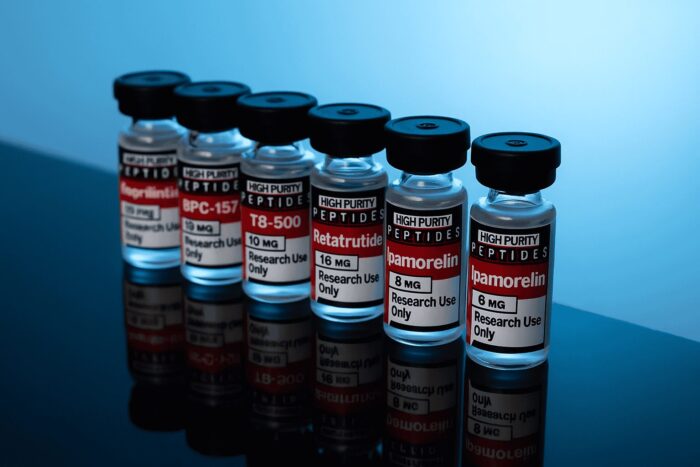
Professional packaging and clear labeling
USA-based fulfillment for faster, secure delivery
Responsive customer support and transparent company information
To preserve peptide integrity, store purity peptide according to supplier instructions. General best practices include:
Keep lyophilized peptides in a cool, dry place
Protect from light, heat, and moisture
Label vials clearly and handle using gloves and sterile techniques
High-purity peptide are indispensable for accurate and reproducible research. By sourcing from a reputable supplier , using verified COAs, and following proper storage and handling protocols, researchers can ensure reliable outcomes in studies ranging from metabolic pathways to cellular regeneration.
How to evaluate research quality
A strong Purity Peptides evaluation begins with identity. The listing, material name, salt or counter-ion where relevant, quantity, lot number, and analytical record should agree. High-performance liquid chromatography can describe relative purity, while mass spectrometry can support identity by comparing observed and expected mass. Neither result alone proves biological activity, sterility, or fitness for this project’s protocol.
U.S. laboratory procurement checks
Before a U.S. laboratory orders material for a Purity Peptides project, purchasing and safety teams should confirm that the work is lawful, approved, and consistent with research-only terms. Preserve the supplier identity, lot and quantity, shipping condition, receipt date, product page, and analytical documents. A mismatch in labeling, seals, quantity, or paperwork is a reason to quarantine the shipment until the discrepancy is resolved.
Reproducibility notes
Reproducible Purity Peptides work requires a documented chain of custody, calibrated equipment, validated assays, environmental records, and a log of protocol deviations. Findings are more useful when raw data and exclusion criteria are retained. This guide does not provide preparation, administration, or personal-use instructions.
Continue researching this topic
- High Purity Peptides for Sale related research overview
- High Purity Peptides Supplier comparison and evidence guide
- Bulk Peptides for Sale: A Complete Guide to Wholesale Research Peptide Purchasing laboratory quality discussion
Frequently asked questions
What should a laboratory verify before studying Purity Peptides?
For Purity Peptides, confirm identity, lot-specific analytical documentation, labeling, chain of custody, and alignment with the predefined protocol. Required tests depend on the experiment; a stated purity percentage is only one part of qualification.
Is this article personal-use or medical guidance?
No. It does not recommend use, administration, or dosing. Products discussed by High Purity Peptides are intended only for lawful laboratory research and are not for human or veterinary use.
Key takeaway
A credible Purity Peptides project starts with a precise question, appropriate controls, traceable material, and cautious interpretation. Use analytical records and primary literature, preserve batch documentation, and report limitations alongside results.
Research-use notice: This content is for educational and laboratory-research purposes only. It is not medical advice. Research materials referenced here are not intended for human or veterinary use, diagnosis, treatment, or prevention of disease.