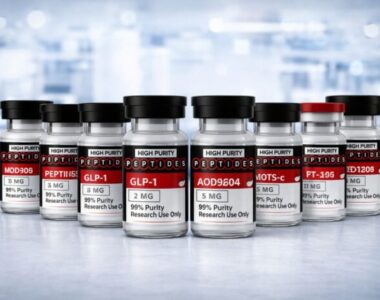

Cardiogen peptide benefits are an active area of interest in cardiovascular and regenerative biology research. Cardiogen is a short bioactive peptide derived from cardiac tissue–associated protein sequences and is studied for its potential role in supporting heart cell signaling, tissue repair pathways, and overall cardiac homeostasis. Its organ-specific nature makes it a valuable research compound for studying heart-focused biological processes.
In laboratory environments, Cardiogen peptide is explored for how it may influence cardiomyocyte behavior, metabolic regulation, and cellular resilience following stress or injury. While its effects in humans have not been clinically established, preclinical findings provide insight into several proposed biological benefits relevant to cardiovascular research.
What Is Cardiogen Peptide?
Cardiogen belongs to a category of peptides often referred to as organ-specific bioregulators. These peptides consist of short amino acid chains that carry tissue-specific signaling information. In the case of Cardiogen, its sequence is associated with cardiac tissue, which is why researchers focus on its potential role in heart-related biological processes.
Unlike full-length growth factors or hormones, the Cardiogen peptide acts as a minimal signaling fragment. This allows researchers to investigate targeted cellular responses without introducing complex or systemic biological signals.
Proposed Cardiovascular Benefits
Research into Cardiogen peptide benefits suggests several areas of potential cardiovascular support at the cellular level. Although findings remain experimental, proposed benefits include
- Support of cardiomyocyte repair and regeneration pathways
- Regulation of cardiac cell metabolism and energy utilization
- Modulation of oxidative stress and inflammatory signaling within heart tissue
- Influence on gene expression related to cardiac resilience and recovery
These proposed benefits make the Cardiogen peptide a useful research model for studying how heart tissue responds to stress, injury, and age-related changes.
Role in Cardiac Regeneration Research
One of the most studied areas related to cardiogen peptide benefits is cardiac regeneration. Heart tissue has a limited capacity for self-repair compared to other tissues, which has driven interest in compounds that may influence regenerative signaling. Cardiogen peptide is examined for its ability to support cellular communication involved in tissue maintenance and repair.
In preclinical models, researchers analyze how Cardiogen affects cardiomyocyte survival, structural integrity, and functional signaling following experimentally induced stress. These studies help expand understanding of how short peptides may contribute to regenerative processes at the molecular level.
Metabolic and Cellular Energy Effects
Cardiac cells have high energy demands, and proper metabolic regulation is essential for normal heart function. Cardiogen peptide benefits are also explored in the context of cellular energy metabolism. Researchers investigate whether the peptide influences mitochondrial efficiency, ATP production, and metabolic signaling pathways within heart tissue.
By studying these metabolic effects, scientists aim to better understand how cardiac cells adapt to energetic stress and how peptide signaling may support metabolic balance in cardiovascular systems.
Comparison to Other Cardiovascular Peptides
Cardiogen peptide differs from more generalized peptides such as BPC-157 or TB-500, which are studied for broad tissue repair effects. Cardiogen’s tissue-specific origin allows researchers to focus more narrowly on heart-related signaling pathways. This specificity helps reduce confounding variables when studying cardiovascular biology.
Safety and Research Disclaimer
All research discussing Cardiogen peptide benefits is strictly preclinical. Cardiogen peptide is intended for laboratory and educational research purposes only and is not approved for human or veterinary use. Proper handling and experimentation should follow institutional safety and regulatory guidelines.
Conclusion
Cardiogen peptide benefits continue to be explored within cardiovascular and regenerative research. Through its proposed effects on cardiomyocyte signaling, metabolic regulation, and tissue repair pathways, Cardiogen offers valuable insight into heart-specific peptide biology. As research advances, Cardiogen peptide remains an important experimental tool for understanding cardiovascular health, regeneration, and cellular resilience.