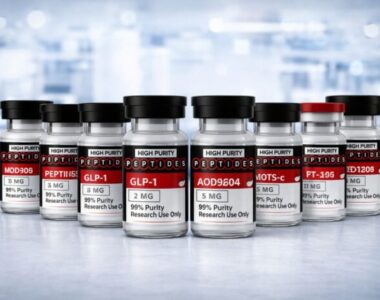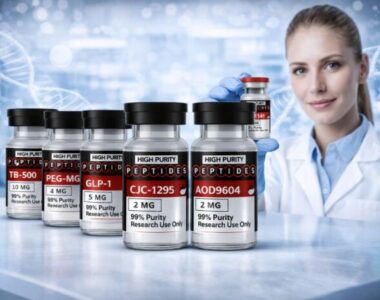
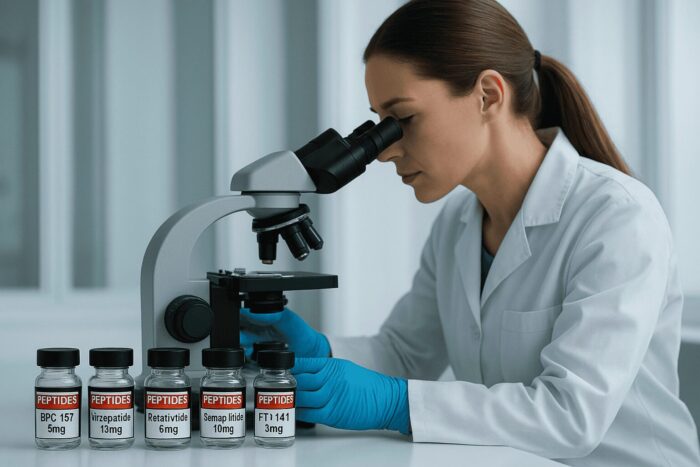
High peptide purity is a critical factor in modern biochemical, pharmacological, and preclinical research. Using peptides with verified purity ensures consistent experimental outcomes, accurate biological responses, and reproducible data in laboratory studies.
What Is High Peptide Purity?
High peptide purity refers to peptide compounds that meet stringent chemical and analytical standards, typically greater than 95–98% pure. These peptides are free from contaminants, degradation products, or unintended sequences, making them ideal for research applications that require precision and reliability.
High-purity peptides are usually provided in lyophilized form to maintain stability and are reconstituted only when ready for use. Their consistent quality is essential for experiments involving metabolic pathways, growth hormone modulation, receptor signaling, and peptide therapeutics.
Research Applications of High-Purity Peptides
High peptide purity is essential in a variety of research contexts:
- Growth Hormone Studies: Investigating GHRH analogs, Sermorelin, or Tesamorelin for metabolic and endocrine research.
- Metabolic and Body Composition Research: Studying peptides like PE-22-28 or AOD 9604 to explore fat metabolism, glucose regulation, and energy pathways.
- Peptide Therapeutics Development: Testing synthetic multi-receptor agonists and peptide fragments in preclinical models.
- Cellular Signaling Research: High-purity peptides allow precise study of receptor-ligand interactions, intracellular signaling, and enzymatic modulation.
- Analytical Applications: Serve as standards for HPLC, mass spectrometry (MS), or nuclear magnetic resonance (NMR) validation.
Using high-purity peptides minimizes experimental variability and ensures that observed effects are due to the peptide itself rather than impurities or degradation products.
Importance of Certificates of Analysis (COA)
Selecting high-purity peptides requires careful verification of their COA. A proper COA provides:
- Confirmation of amino acid sequence and chemical identity.
- Purity levels are typically above 95–98%.
- Batch-specific analytical testing results (HPLC, MS, or NMR).
- Stability and solubility data to ensure accurate experimental use.
COA verification is a key step in maintaining reproducibility, minimizing research errors, and supporting regulatory compliance in laboratory studies.
Handling and Storage Guidelines
High-purity peptides require proper storage and handling to preserve integrity:
- Storage: Keep lyophilized peptides in a cool, dry, and light-protected environment. Most peptides require -20°C or lower for long-term storage.
- Reconstitution: Use sterile water or buffers recommended by the supplier and avoid repeated freeze-thaw cycles.
- Handling: Apply aseptic techniques and lab safety protocols to prevent contamination or degradation.
Adhering to these guidelines ensures peptide stability and reliable experimental results.
Where to Buy High-Purity Peptides
Researchers can obtain high-purity peptides from verified suppliers and distributors, including:
- Peptide Sciences: Offers research-grade peptides with verified COAs and consistent quality.
- Academic Suppliers: University-affiliated labs and trusted research distributors.
- Specialized Peptide Companies: Provide peptides for metabolic, endocrine, or signaling research with batch-specific documentation and analytical validation.
Always verify suppliers and COAs before purchasing to ensure authenticity and research-grade quality.
High peptide purity is crucial for laboratory research that demands precision, reproducibility, and reliability. By using verified high-purity peptides, researchers can confidently study metabolic pathways, growth hormone regulation, cellular signaling, and peptide therapeutics. Proper sourcing, handling, and adherence to laboratory protocols are essential for maximizing the reliability of experimental outcomes.