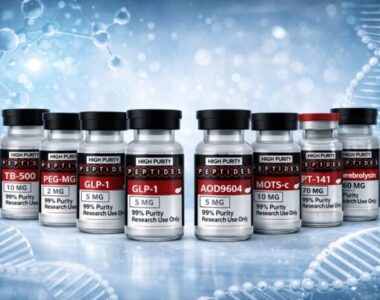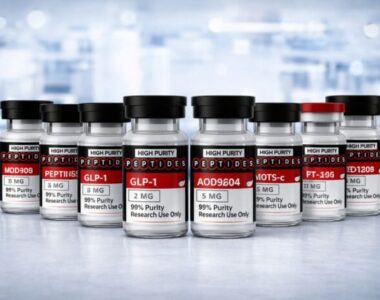

Scientific validation of peptide purity relies on analytical testing. Common methods include:
- High-Performance Liquid Chromatography (HPLC) to quantify purity
- Mass Spectrometry (MS) to confirm molecular weight and structure
- Amino Acid Analysis to verify sequence composition
These results are summarized in a Certificate of Analysis (COA). A COA allows researchers to confirm identity, batch consistency, and analytical parameters before beginning experiments.
Evaluating Online Purity Claims
Searches for “Pure Rawz Peptides” often return a mix of educational content and marketing language. From a scientific standpoint, claims of purity should always be supported by verifiable data rather than terminology alone.
Researchers evaluating peptide quality should look for:
- Batch-specific COAs
- Clear purity percentages
- Analytical methodology disclosure
- Proper labeling and storage guidance
- Consistency across production batches
Without this information, it is difficult to assess whether a peptide meets research-grade standards.
Storage and Stability Considerations
Even peptides with verified purity can degrade if mishandled. Lyophilized peptides are generally stable when stored in cool, dry environments and protected from light and moisture. Once reconstituted, stability depends on temperature, solvent, and experimental duration.
Maintaining appropriate storage conditions helps preserve peptide integrity and ensures experimental reproducibility.
Research Use Disclaimer
Peptides discussed in educational contexts are intended for research purposes only. They are not approved for human or veterinary use unless specifically authorized by regulatory agencies. Proper laboratory protocols and institutional guidelines should always be followed.
Conclusion
“Pure Rawz Peptides” is a search phrase that reflects growing interest in peptide quality, purity, and transparency. In scientific research, purity is defined not by branding but by analytical verification, documentation, and reproducibility. By understanding how peptide purity is assessed and maintained, researchers can make informed decisions and produce reliable, high-quality data.
Purity is especially important in studies involving:
- Cell signaling and receptor specificity
- Metabolic and mitochondrial pathways
- Neurochemical interactions
- Tissue repair and regeneration models
- Endocrine and peptide hormone research
For these reasons, most laboratories prefer peptides with purity levels of 98% or higher.
How Peptide Purity Is Verified
Scientific validation of peptide purity relies on analytical testing. Common methods include:
- High-Performance Liquid Chromatography (HPLC) to quantify purity
- Mass Spectrometry (MS) to confirm molecular weight and structure
- Amino Acid Analysis to verify sequence composition
These results are summarized in a Certificate of Analysis (COA). A COA allows researchers to confirm identity, batch consistency, and analytical parameters before beginning experiments.
Evaluating Online Purity Claims
Searches for “Pure Rawz Peptides” often return a mix of educational content and marketing language. From a scientific standpoint, claims of purity should always be supported by verifiable data rather than terminology alone.
Researchers evaluating peptide quality should look for:
- Batch-specific COAs
- Clear purity percentages
- Analytical methodology disclosure
- Proper labeling and storage guidance
- Consistency across production batches
Without this information, it is difficult to assess whether a peptide meets research-grade standards.
Storage and Stability Considerations
Even peptides with verified purity can degrade if mishandled. Lyophilized peptides are generally stable when stored in cool, dry environments and protected from light and moisture. Once reconstituted, stability depends on temperature, solvent, and experimental duration.
Maintaining appropriate storage conditions helps preserve peptide integrity and ensures experimental reproducibility.
Research Use Disclaimer
Peptides discussed in educational contexts are intended for research purposes only. They are not approved for human or veterinary use unless specifically authorized by regulatory agencies. Proper laboratory protocols and institutional guidelines should always be followed.
Conclusion
“Pure Rawz Peptides” is a search phrase that reflects growing interest in peptide quality, purity, and transparency. In scientific research, purity is defined not by branding but by analytical verification, documentation, and reproducibility. By understanding how peptide purity is assessed and maintained, researchers can make informed decisions and produce reliable, high-quality data.
The phrase “Pure Rawz Peptides” commonly appears in online searches related to peptide quality, sourcing transparency, and laboratory research standards. In scientific contexts, such terms are best understood as references to peptide purity, synthesis integrity, and analytical verification rather than guarantees of biological outcomes. This article explores how purity-focused peptide research works and how scientists evaluate peptide quality.
Understanding Peptide Purity in Research
Peptides are short chains of amino acids used extensively in biochemical, metabolic, neurological, and regenerative research. Because peptides can interact with highly specific receptors and signaling pathways, even small impurities may significantly affect experimental results.
When researchers search for “pure” or “raw” peptides, they are typically looking for compounds that are chemically well-defined, free from contaminants, and supported by proper analytical documentation.
What “Raw” Means in Peptide Contexts
In peptide terminology, “raw” does not imply unrefined or unfinished material. Instead, it often refers to peptides that have not been blended with fillers, additives, or delivery agents. In research environments, peptides are typically supplied as lyophilized powders, allowing investigators to control reconstitution, concentration, and experimental protocols.
This approach supports experimental flexibility and helps maintain peptide stability during storage.
Why Purity Matters in Peptide Research
High purity is essential for reliable scientific investigation. Impurities may introduce unintended biological activity, interfere with receptor binding, or alter signaling responses. For health-related research, these effects can distort results and compromise data integrity.
Purity is especially important in studies involving:
- Cell signaling and receptor specificity
- Metabolic and mitochondrial pathways
- Neurochemical interactions
- Tissue repair and regeneration models
- Endocrine and peptide hormone research
For these reasons, most laboratories prefer peptides with purity levels of 98% or higher.
How Peptide Purity Is Verified
Scientific validation of peptide purity relies on analytical testing. Common methods include:
- High-Performance Liquid Chromatography (HPLC) to quantify purity
- Mass Spectrometry (MS) to confirm molecular weight and structure
- Amino Acid Analysis to verify sequence composition
These results are summarized in a Certificate of Analysis (COA). A COA allows researchers to confirm identity, batch consistency, and analytical parameters before beginning experiments.
Evaluating Online Purity Claims
Searches for “Pure Rawz Peptides” often return a mix of educational content and marketing language. From a scientific standpoint, claims of purity should always be supported by verifiable data rather than terminology alone.
Researchers evaluating peptide quality should look for:
- Batch-specific COAs
- Clear purity percentages
- Analytical methodology disclosure
- Proper labeling and storage guidance
- Consistency across production batches
Without this information, it is difficult to assess whether a peptide meets research-grade standards.
Storage and Stability Considerations
Even peptides with verified purity can degrade if mishandled. Lyophilized peptides are generally stable when stored in cool, dry environments and protected from light and moisture. Once reconstituted, stability depends on temperature, solvent, and experimental duration.
Maintaining appropriate storage conditions helps preserve peptide integrity and ensures experimental reproducibility.
Research Use Disclaimer
Peptides discussed in educational contexts are intended for research purposes only. They are not approved for human or veterinary use unless specifically authorized by regulatory agencies. Proper laboratory protocols and institutional guidelines should always be followed.
Conclusion
“Pure Rawz Peptides” is a search phrase that reflects growing interest in peptide quality, purity, and transparency. In scientific research, purity is defined not by branding but by analytical verification, documentation, and reproducibility. By understanding how peptide purity is assessed and maintained, researchers can make informed decisions and produce reliable, high-quality data.
Purity is especially important in studies involving:
- Cell signaling and receptor specificity
- Metabolic and mitochondrial pathways
- Neurochemical interactions
- Tissue repair and regeneration models
- Endocrine and peptide hormone research
For these reasons, most laboratories prefer peptides with purity levels of 98% or higher.
How Peptide Purity Is Verified
Scientific validation of peptide purity relies on analytical testing. Common methods include:
- High-Performance Liquid Chromatography (HPLC) to quantify purity
- Mass Spectrometry (MS) to confirm molecular weight and structure
- Amino Acid Analysis to verify sequence composition
These results are summarized in a Certificate of Analysis (COA). A COA allows researchers to confirm identity, batch consistency, and analytical parameters before beginning experiments.
Evaluating Online Purity Claims
Searches for “Pure Rawz Peptides” often return a mix of educational content and marketing language. From a scientific standpoint, claims of purity should always be supported by verifiable data rather than terminology alone.
Researchers evaluating peptide quality should look for:
- Batch-specific COAs
- Clear purity percentages
- Analytical methodology disclosure
- Proper labeling and storage guidance
- Consistency across production batches
Without this information, it is difficult to assess whether a peptide meets research-grade standards.
Storage and Stability Considerations
Even peptides with verified purity can degrade if mishandled. Lyophilized peptides are generally stable when stored in cool, dry environments and protected from light and moisture. Once reconstituted, stability depends on temperature, solvent, and experimental duration.
Maintaining appropriate storage conditions helps preserve peptide integrity and ensures experimental reproducibility.
Research Use Disclaimer
Peptides discussed in educational contexts are intended for research purposes only. They are not approved for human or veterinary use unless specifically authorized by regulatory agencies. Proper laboratory protocols and institutional guidelines should always be followed.
Conclusion
“Pure Rawz Peptides” is a search phrase that reflects growing interest in peptide quality, purity, and transparency. In scientific research, purity is defined not by branding but by analytical verification, documentation, and reproducibility. By understanding how peptide purity is assessed and maintained, researchers can make informed decisions and produce reliable, high-quality data.
The phrase “Pure Rawz Peptides” commonly appears in online searches related to peptide quality, sourcing transparency, and laboratory research standards. In scientific contexts, such terms are best understood as references to peptide purity, synthesis integrity, and analytical verification rather than guarantees of biological outcomes. This article explores how purity-focused peptide research works and how scientists evaluate peptide quality.
Understanding Peptide Purity in Research
Peptides are short chains of amino acids used extensively in biochemical, metabolic, neurological, and regenerative research. Because peptides can interact with highly specific receptors and signaling pathways, even small impurities may significantly affect experimental results.
When researchers search for “pure” or “raw” peptides, they are typically looking for compounds that are chemically well-defined, free from contaminants, and supported by proper analytical documentation.
What “Raw” Means in Peptide Contexts
In peptide terminology, “raw” does not imply unrefined or unfinished material. Instead, it often refers to peptides that have not been blended with fillers, additives, or delivery agents. In research environments, peptides are typically supplied as lyophilized powders, allowing investigators to control reconstitution, concentration, and experimental protocols.
This approach supports experimental flexibility and helps maintain peptide stability during storage.
Why Purity Matters in Peptide Research
High purity is essential for reliable scientific investigation. Impurities may introduce unintended biological activity, interfere with receptor binding, or alter signaling responses. For health-related research, these effects can distort results and compromise data integrity.
Purity is especially important in studies involving:
- Cell signaling and receptor specificity
- Metabolic and mitochondrial pathways
- Neurochemical interactions
- Tissue repair and regeneration models
- Endocrine and peptide hormone research
For these reasons, most laboratories prefer peptides with purity levels of 98% or higher.
How Peptide Purity Is Verified
Scientific validation of peptide purity relies on analytical testing. Common methods include:
- High-Performance Liquid Chromatography (HPLC) to quantify purity
- Mass Spectrometry (MS) to confirm molecular weight and structure
- Amino Acid Analysis to verify sequence composition
These results are summarized in a Certificate of Analysis (COA). A COA allows researchers to confirm identity, batch consistency, and analytical parameters before beginning experiments.
Evaluating Online Purity Claims
Searches for “Pure Rawz Peptides” often return a mix of educational content and marketing language. From a scientific standpoint, claims of purity should always be supported by verifiable data rather than terminology alone.
Researchers evaluating peptide quality should look for:
- Batch-specific COAs
- Clear purity percentages
- Analytical methodology disclosure
- Proper labeling and storage guidance
- Consistency across production batches
Without this information, it is difficult to assess whether a peptide meets research-grade standards.
Storage and Stability Considerations
Even peptides with verified purity can degrade if mishandled. Lyophilized peptides are generally stable when stored in cool, dry environments and protected from light and moisture. Once reconstituted, stability depends on temperature, solvent, and experimental duration.
Maintaining appropriate storage conditions helps preserve peptide integrity and ensures experimental reproducibility.
Research Use Disclaimer
Peptides discussed in educational contexts are intended for research purposes only. They are not approved for human or veterinary use unless specifically authorized by regulatory agencies. Proper laboratory protocols and institutional guidelines should always be followed.
Conclusion
“Pure Rawz Peptides” is a search phrase that reflects growing interest in peptide quality, purity, and transparency. In scientific research, purity is defined not by branding but by analytical verification, documentation, and reproducibility. By understanding how peptide purity is assessed and maintained, researchers can make informed decisions and produce reliable, high-quality data.
The phrase “Pure Rawz Peptides” commonly appears in online searches related to peptide quality, sourcing transparency, and laboratory research standards. In scientific contexts, such terms are best understood as references to peptide purity, synthesis integrity, and analytical verification rather than guarantees of biological outcomes. This article explores how purity-focused peptide research works and how scientists evaluate peptide quality.
Understanding Peptide Purity in Research
Peptides are short chains of amino acids used extensively in biochemical, metabolic, neurological, and regenerative research. Because peptides can interact with highly specific receptors and signaling pathways, even small impurities may significantly affect experimental results.
When researchers search for “pure” or “raw” peptides, they are typically looking for compounds that are chemically well-defined, free from contaminants, and supported by proper analytical documentation.
What “Raw” Means in Peptide Contexts
In peptide terminology, “raw” does not imply unrefined or unfinished material. Instead, it often refers to peptides that have not been blended with fillers, additives, or delivery agents. In research environments, peptides are typically supplied as lyophilized powders, allowing investigators to control reconstitution, concentration, and experimental protocols.
This approach supports experimental flexibility and helps maintain peptide stability during storage.
Why Purity Matters in Peptide Research
High purity is essential for reliable scientific investigation. Impurities may introduce unintended biological activity, interfere with receptor binding, or alter signaling responses. For health-related research, these effects can distort results and compromise data integrity.
Purity is especially important in studies involving:
- Cell signaling and receptor specificity
- Metabolic and mitochondrial pathways
- Neurochemical interactions
- Tissue repair and regeneration models
- Endocrine and peptide hormone research
For these reasons, most laboratories prefer peptides with purity levels of 98% or higher.
How Peptide Purity Is Verified
Scientific validation of peptide purity relies on analytical testing. Common methods include:
- High-Performance Liquid Chromatography (HPLC) to quantify purity
- Mass Spectrometry (MS) to confirm molecular weight and structure
- Amino Acid Analysis to verify sequence composition
These results are summarized in a Certificate of Analysis (COA). A COA allows researchers to confirm identity, batch consistency, and analytical parameters before beginning experiments.
Evaluating Online Purity Claims
Searches for “Pure Rawz Peptides” often return a mix of educational content and marketing language. From a scientific standpoint, claims of purity should always be supported by verifiable data rather than terminology alone.
Researchers evaluating peptide quality should look for:
- Batch-specific COAs
- Clear purity percentages
- Analytical methodology disclosure
- Proper labeling and storage guidance
- Consistency across production batches
Without this information, it is difficult to assess whether a peptide meets research-grade standards.
Storage and Stability Considerations
Even peptides with verified purity can degrade if mishandled. Lyophilized peptides are generally stable when stored in cool, dry environments and protected from light and moisture. Once reconstituted, stability depends on temperature, solvent, and experimental duration.
Maintaining appropriate storage conditions helps preserve peptide integrity and ensures experimental reproducibility.
Research Use Disclaimer
Peptides discussed in educational contexts are intended for research purposes only. They are not approved for human or veterinary use unless specifically authorized by regulatory agencies. Proper laboratory protocols and institutional guidelines should always be followed.
Conclusion
“Pure Rawz Peptides” is a search phrase that reflects growing interest in peptide quality, purity, and transparency. In scientific research, purity is defined not by branding but by analytical verification, documentation, and reproducibility. By understanding how peptide purity is assessed and maintained, researchers can make informed decisions and produce reliable, high-quality data.
Purity is especially important in studies involving:
- Cell signaling and receptor specificity
- Metabolic and mitochondrial pathways
- Neurochemical interactions
- Tissue repair and regeneration models
- Endocrine and peptide hormone research
For these reasons, most laboratories prefer peptides with purity levels of 98% or higher.
How Peptide Purity Is Verified
Scientific validation of peptide purity relies on analytical testing. Common methods include:
- High-Performance Liquid Chromatography (HPLC) to quantify purity
- Mass Spectrometry (MS) to confirm molecular weight and structure
- Amino Acid Analysis to verify sequence composition
These results are summarized in a Certificate of Analysis (COA). A COA allows researchers to confirm identity, batch consistency, and analytical parameters before beginning experiments.
Evaluating Online Purity Claims
Searches for “Pure Rawz Peptides” often return a mix of educational content and marketing language. From a scientific standpoint, claims of purity should always be supported by verifiable data rather than terminology alone.
Researchers evaluating peptide quality should look for:
- Batch-specific COAs
- Clear purity percentages
- Analytical methodology disclosure
- Proper labeling and storage guidance
- Consistency across production batches
Without this information, it is difficult to assess whether a peptide meets research-grade standards.
Storage and Stability Considerations
Even peptides with verified purity can degrade if mishandled. Lyophilized peptides are generally stable when stored in cool, dry environments and protected from light and moisture. Once reconstituted, stability depends on temperature, solvent, and experimental duration.
Maintaining appropriate storage conditions helps preserve peptide integrity and ensures experimental reproducibility.
Research Use Disclaimer
Peptides discussed in educational contexts are intended for research purposes only. They are not approved for human or veterinary use unless specifically authorized by regulatory agencies. Proper laboratory protocols and institutional guidelines should always be followed.
Conclusion
“Pure Rawz Peptides” is a search phrase that reflects growing interest in peptide quality, purity, and transparency. In scientific research, purity is defined not by branding but by analytical verification, documentation, and reproducibility. By understanding how peptide purity is assessed and maintained, researchers can make informed decisions and produce reliable, high-quality data.
The phrase “Pure Rawz Peptides” commonly appears in online searches related to peptide quality, sourcing transparency, and laboratory research standards. In scientific contexts, such terms are best understood as references to peptide purity, synthesis integrity, and analytical verification rather than guarantees of biological outcomes. This article explores how purity-focused peptide research works and how scientists evaluate peptide quality.
Understanding Peptide Purity in Research
Peptides are short chains of amino acids used extensively in biochemical, metabolic, neurological, and regenerative research. Because peptides can interact with highly specific receptors and signaling pathways, even small impurities may significantly affect experimental results.
When researchers search for “pure” or “raw” peptides, they are typically looking for compounds that are chemically well-defined, free from contaminants, and supported by proper analytical documentation.
What “Raw” Means in Peptide Contexts
In peptide terminology, “raw” does not imply unrefined or unfinished material. Instead, it often refers to peptides that have not been blended with fillers, additives, or delivery agents. In research environments, peptides are typically supplied as lyophilized powders, allowing investigators to control reconstitution, concentration, and experimental protocols.
This approach supports experimental flexibility and helps maintain peptide stability during storage.
Why Purity Matters in Peptide Research
High purity is essential for reliable scientific investigation. Impurities may introduce unintended biological activity, interfere with receptor binding, or alter signaling responses. For health-related research, these effects can distort results and compromise data integrity.
Purity is especially important in studies involving:
- Cell signaling and receptor specificity
- Metabolic and mitochondrial pathways
- Neurochemical interactions
- Tissue repair and regeneration models
- Endocrine and peptide hormone research
For these reasons, most laboratories prefer peptides with purity levels of 98% or higher.
How Peptide Purity Is Verified
Scientific validation of peptide purity relies on analytical testing. Common methods include:
- High-Performance Liquid Chromatography (HPLC) to quantify purity
- Mass Spectrometry (MS) to confirm molecular weight and structure
- Amino Acid Analysis to verify sequence composition
These results are summarized in a Certificate of Analysis (COA). A COA allows researchers to confirm identity, batch consistency, and analytical parameters before beginning experiments.
Evaluating Online Purity Claims
Searches for “Pure Rawz Peptides” often return a mix of educational content and marketing language. From a scientific standpoint, claims of purity should always be supported by verifiable data rather than terminology alone.
Researchers evaluating peptide quality should look for:
- Batch-specific COAs
- Clear purity percentages
- Analytical methodology disclosure
- Proper labeling and storage guidance
- Consistency across production batches
Without this information, it is difficult to assess whether a peptide meets research-grade standards.
Storage and Stability Considerations
Even peptides with verified purity can degrade if mishandled. Lyophilized peptides are generally stable when stored in cool, dry environments and protected from light and moisture. Once reconstituted, stability depends on temperature, solvent, and experimental duration.
Maintaining appropriate storage conditions helps preserve peptide integrity and ensures experimental reproducibility.
Research Use Disclaimer
Peptides discussed in educational contexts are intended for research purposes only. They are not approved for human or veterinary use unless specifically authorized by regulatory agencies. Proper laboratory protocols and institutional guidelines should always be followed.
Conclusion
“Pure Rawz Peptides” is a search phrase that reflects growing interest in peptide quality, purity, and transparency. In scientific research, purity is defined not by branding but by analytical verification, documentation, and reproducibility. By understanding how peptide purity is assessed and maintained, researchers can make informed decisions and produce reliable, high-quality data.