Peptide High Purity Reagents is a topic in laboratory and preclinical research. This overview describes the scientific context, how to assess the evidence, and which quality controls matter when U.S. laboratories evaluate research materials. It is educational content for qualified research settings—not dosing, treatment, or personal-use guidance. Laboratories comparing materials can review the research peptide catalog and the site’s laboratory quality standards during protocol planning.
Research context and terminology
Purity percentage alone does not establish identity or suitability. Laboratory teams should examine the analytical method, batch number, chromatogram, expected mass, sample handling, and whether the documentation corresponds to the received sample received.
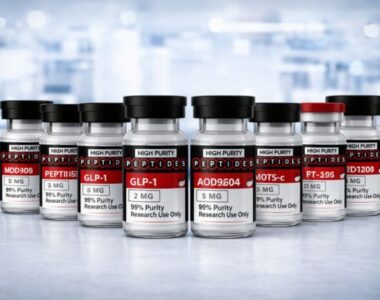
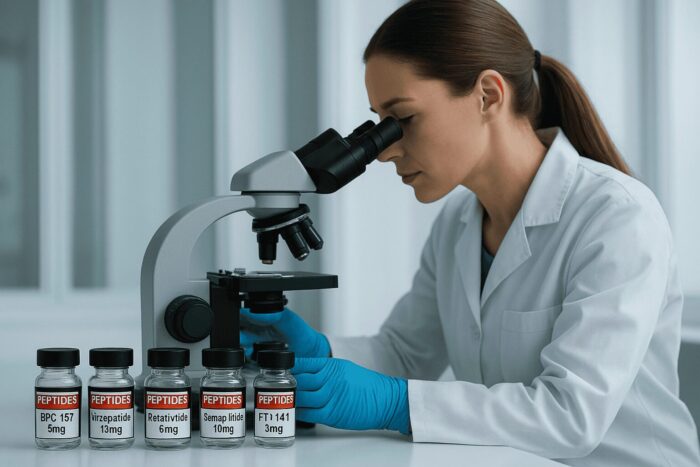
Peptide high-purity reagents are essential components for modern biochemical, pharmacological, and molecular biology research . These reagents are designed to offer maximum purity, stability, and reproducibility, making them indispensable for studies involving peptide synthesis, growth hormone modulation, metabolic pathways, and cellular signaling.
What Are Peptide High-Purity Reagents?
Peptide high-purity reagents are chemically synthesized or isolated peptide compounds that meet stringent purity criteria, typically exceeding 95–98%. They are used as reference standards, experimental tools, or starting materials in laboratory experiments. Unlike standard laboratory chemicals, high-purity peptide reagents minimize contamination, side reactions, and variability, ensuring reliable and reproducible results in both in vitro and in vivo studies.
Research Applications of High-Purity Peptide Reagents
High-purity peptide reagents are widely used in multiple research domains, including:
Growth Hormone and Endocrine Studies: Tools for investigating GHRH analogs, IGF-1 signaling, and metabolic regulation.
Metabolic Research: Compounds like AOD 9604 or PE-22-28 allow controlled studies on lipid metabolism, glucose homeostasis, and energy pathways.
Peptide Therapeutics Development: Used in preclinical testing for multi-receptor agonists, peptide fragments, or synthetic analogs.
Cellular Signaling Research: Study of receptor-ligand interactions, intracellular signaling cascades, and peptide-mediated cellular responses.
Structural Biology and Analytical Chemistry: Serve as standards for HPLC, MS, or NMR assays to validate peptide identity and concentration.
Importance of Purity and Certificates of Analysis (COA)
When selecting peptide high-purity reagents, researchers must prioritize products with verified Certificates of Analysis (COA). A COA ensures:
Chemical identity and amino acid sequence accuracy.
Stability and solubility data for reliable laboratory use.
Batch-specific documentation to support reproducibility and regulatory compliance.
Proper COA verification minimizes experimental variability and ensures that results are scientifically valid.
High-purity peptide reagents require careful storage and handling:
Storage: Lyophilized peptides should be kept in a cool, dry, and light-protected environment. Many reagents require -20°C storage to maintain stability.
Handling: Employ aseptic techniques and proper lab safety protocols to prevent contamination and degradation.
Adhering to these guidelines preserves the reagent’s integrity and ensures reproducible experimental outcomes.
Where to Buy Peptide High-Purity Reagents
Verified suppliers and distributors of research-grade peptides include:
Peptide Sciences: Offers a wide range of high-purity peptide reagents with COA and laboratory support.
Trusted Academic Suppliers: University-affiliated labs or research distributors often provide verified reagents for controlled studies.
Specialized Peptide Companies: Many companies provide peptides for metabolic, endocrine, and signaling research with batch-specific documentation and analytical validation.
Always confirm the authenticity of suppliers, review COAs, and follow legal regulations when purchasing peptides for laboratory research.
Peptide high-purity reagents are critical tools in preclinical, biochemical, and molecular biology research. Their verified purity, stability, and reliable sourcing make them indispensable for studies involving metabolism, cellular signaling, growth hormone modulation, and peptide therapeutics. By sourcing high-quality reagents, maintaining proper handling practices, and adhering to experimental protocols, researchers can ensure reproducible results, minimize variability, and advance scientific discovery with confidence.
How to evaluate research quality
A rigorous Peptide High Purity Reagents evaluation begins with identity. The listing, material name, salt or counter-ion where relevant, quantity, lot number, and analytical record should agree. High-performance liquid chromatography can describe relative purity, while mass spectrometry can support identity by comparing observed and expected mass. Neither result alone proves biological activity, sterility, or fitness for this project’s protocol.
U.S. laboratory procurement checks
Before a U.S. laboratory orders material for a Peptide High Purity Reagents project, purchasing and safety teams should confirm that the work is lawful, approved, and consistent with research-only terms. Preserve the supplier identity, lot and quantity, shipping condition, receipt date, product page, and analytical documents. A mismatch in labeling, seals, quantity, or paperwork is a reason to quarantine the shipment until the discrepancy is resolved.
Continue researching this topic
- High Peptide Purity related research overview
- High Purity Peptides for Sale comparison and evidence guide
- High Purity Research Peptides laboratory quality discussion
Frequently asked questions
What should a laboratory verify before studying Peptide High Purity Reagents?
For Peptide High Purity Reagents, confirm identity, lot-specific analytical documentation, labeling, chain of custody, and alignment with the predefined protocol. Required tests depend on the protocol; a stated purity percentage is only one part of qualification.
Is this article personal-use or medical guidance?
No. It does not recommend use, administration, or dosing. Products discussed by High Purity Peptides are intended only for lawful laboratory research and are not for human or veterinary use.
Key takeaway
A credible Peptide High Purity Reagents project starts with a precise question, appropriate controls, traceable material, and cautious interpretation. Use analytical records and primary literature, preserve batch documentation, and report limitations alongside results.
Research-use notice: This content is for educational and laboratory-research purposes only. It is not medical advice. Research materials referenced here are not intended for human or veterinary use, diagnosis, treatment, or prevention of disease.