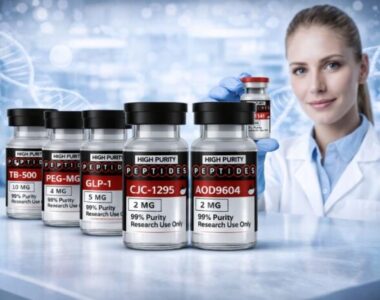

bulk research peptide purchasing is part of research quality, not administrative busywork. A consistent process helps laboratories control material variables, investigate unexpected results, and show how a product moved from purchasing through final disposition.

Forecast real laboratory demand
Use approved projects, historical consumption, validation needs, and lead times. Avoid buying excess solely for a volume discount when storage life or research plans are uncertain.
Apply this point through a written procedure with assigned responsibility, required records, and defined escalation criteria. The record should identify the relevant product and lot rather than relying on a general note.
Define lot and testing expectations
Agree on product identity, quantity, lot structure, specifications, COAs, and any independent verification needed before committing to a larger order.
Apply this point through a written procedure with assigned responsibility, required records, and defined escalation criteria. The record should identify the relevant product and lot rather than relying on a general note.
Confirm storage and access capacity
Bulk purchasing increases inventory responsibility. Verify monitored storage space, segregation, labeling, access control, and reconciliation procedures.
Apply this point through a written procedure with assigned responsibility, required records, and defined escalation criteria. The record should identify the relevant product and lot rather than relying on a general note.
Review commercial terms
Document shipment schedule, partial deliveries, damaged goods handling, discrepancies, and support contacts. Price matters only when the material and records remain usable.
Apply this point through a written procedure with assigned responsibility, required records, and defined escalation criteria. The record should identify the relevant product and lot rather than relying on a general note.
A repeatable laboratory workflow
- Define the exact material and format required.
- Review the specification and lot-specific evidence.
- Approve the supplier and purchase under a recorded request.
- Inspect and document material at receipt.
- Assign an internal inventory identifier and storage location.
- Link each experimental use to the material lot.
- Record deviations, disposition, and remaining quantity.
The workflow should be proportionate to the research risk and institutional requirements. Preliminary screening may use a different verification depth from quantitative reference work, but basic identity, traceability, storage, and use records remain valuable in both cases.
Questions for the supplier
- Which exact lot will be supplied?
- Which method supports identity and which supports purity?
- Does the report apply to the finished material or an input?
- What format and labeled amount will appear on the product?
- What shipping and receiving information is available?
- Who handles a documentation or delivery discrepancy?
Review the research supplier guide, peptide purity overview, ordering guide, shipping information, support page, and research product catalog for related internal resources.
Common documentation mistake
A frequent mistake is saving a file without recording the review decision. Add who reviewed it, when, which lot it covered, any limitation or discrepancy, and whether the material was accepted, quarantined, returned, or rejected. This short note can be decisive months later.
Put the procedure into daily practice
Training should use real examples of acceptable and unacceptable records. Staff should know where controlled files are stored, how to name them, which fields are mandatory, and whom to contact when information is missing. A procedure that exists only in a manual will not protect traceability.
Periodically select a completed study and trace one material backward from the result to the experiment, inventory entry, receiving inspection, COA, purchase record, and supplier listing. Then trace it forward from receipt through storage, use, and final disposition. Gaps found during this exercise indicate where forms, training, or system controls need improvement.
Keep commercial and scientific records connected
Invoices and shipping records show what was ordered and delivered, while specifications and analytical reports describe the material. Laboratory notebooks or electronic systems show how it was used. Connecting these records under one internal identifier prevents the commercial file and scientific file from becoming separate, incomplete stories.
When a product page changes later, the laboratory should still be able to reconstruct the information reviewed at purchase. Preserve the relevant specification or controlled snapshot according to organizational policy rather than assuming an online page will remain unchanged.
Before results are finalized, verify that the material name, format, supplier, and lot stated in the report agree with the inventory and experimental records. Correct discrepancies while the supporting information remains accessible.
Frequently asked questions
Does more paperwork automatically mean higher quality?
No. Records must be accurate, relevant, lot-specific, and actually reviewed. A small set of connected records is more useful than many generic certificates.
Can the product appearance confirm identity?
No. Visual inspection can identify damage or labeling concerns, but molecular identity and purity require suitable analytical evidence.
Should research documentation include personal-use information?
No. Procurement and laboratory records should stay within the approved analytical or research purpose and avoid dosage, treatment, or self-administration instructions.
Research-use notice
Research Use Only. Materials discussed are intended solely for laboratory research, analytical testing, and method development. They are not intended for human or animal consumption, diagnosis, treatment, prevention, cosmetic use, or veterinary use. Statements have not been evaluated by the FDA.